Source Class II Syringe Pump for Hospitals, Clinics, and Home Care
Explore 30 verified class ii syringe pump options from Chinese manufacturers. Buyers can compare models like CW-HK-400II and LINZ-9B, review certifications such as CE and ISO13485, and evaluate features including battery life and power sources for medical applications; compare the available evidence and request quotations based on your requirements.
Key considerations
Products List




Comprehensive Sourcing Guide
Class II Syringe Pump Sourcing Guide
Procuring a Class II syringe pump requires a disciplined approach to verifying device classification and functional integrity. Buyers must first confirm that the equipment falls under the correct regulatory category, which typically involves medium-risk medical devices requiring special controls. The observed market data indicates that many listed units are explicitly classified as Class II instruments, a critical distinction for hospital procurement and regulatory compliance. This classification often dictates the necessary quality management systems and post-market surveillance requirements that suppliers must maintain.
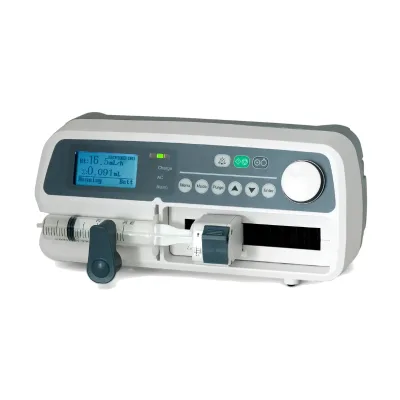
Beyond classification, buyers should evaluate the specific operational theory and power source of the pump. The available inventory includes devices based on electrotherapeutic principles and manual power sources, as well as those utilizing AC power with built-in rechargeable batteries. Understanding these technical distinctions is vital for matching the device to clinical workflows. For instance, manual pumps may be suitable for specific low-volume applications, while electric models with LCD displays or battery backups offer greater precision and continuity for critical care environments.
Product Scope and Observed Listing Signals
The current market landscape for syringe pumps reveals a diverse range of models, each with distinct physical and functional attributes. Observed listings include models such as the Sy-G079-2, CW-hawk-s1, and LINZ-9B, among others. These devices vary significantly in their standard dimensions, with some measuring approximately 314x167x140 mm while others are sized at 140x160x220 mm. Buyers must carefully review these physical specifications to ensure the pump fits within existing cart or workstation constraints without compromising operational safety or accessibility.
Packaging and branding signals also provide insight into the supplier’s operational maturity. Many suppliers offer customization options for logos, ranging from neutral to customer-specific branding, which is essential for institutional procurement. The standard packing method is typically carton-based, with some suppliers specifying quantities like 100 pieces per carton or single-piece packaging. These details influence logistics planning and storage requirements. Additionally, the presence of specific model numbers and clear product names helps in creating accurate inventory records and simplifies the reordering process for maintenance teams.
Technical Specifications to Verify
Technical verification begins with the power supply and battery performance, which are critical for uninterrupted operation. Some observed models feature AC power inputs ranging from 100 to 240 volts, supporting global compatibility, while others rely on manual mechanisms. For battery-operated units, it is essential to verify the battery type, such as DC 12V Ni-MH rechargeable batteries, and their continuous use time, which may exceed six hours. Buyers should request detailed technical datasheets to confirm these specifications, ensuring the device can sustain required infusion durations without frequent recharging or power interruptions.
Display and interface capabilities are another key technical area to assess. While some advanced models include LCD displays for precise parameter monitoring, others operate without them, relying on mechanical indicators or basic LED lights. The choice between these interfaces depends on the clinical setting and the need for real-time data visibility. Furthermore, the material composition, often acrylic for the housing, should be evaluated for durability and ease of cleaning. Buyers must ensure that the materials used meet hospital infection control standards and can withstand repeated disinfection protocols without degrading.
Compliance and Safety Documentation
Regulatory compliance is non-negotiable for Class II medical devices, and buyers must rigorously audit the provided documentation. The observed listings frequently cite certifications such as CE and ISO 13485, which indicate adherence to European safety standards and international quality management systems for medical devices. However, buyers should not rely solely on these labels; they must request valid certificates and verify their authenticity with the issuing bodies. This due diligence ensures that the supplier maintains an active and compliant quality management system, reducing the risk of procuring non-conforming products.
In addition to general certifications, specific safety standards and testing reports must be reviewed. The term "MSDS" appears in some listings, suggesting the availability of Material Safety Data Sheets, which are crucial for handling and disposal procedures. Buyers should also verify if the device meets specific electrical safety standards, such as IEC 60601 series, which govern the basic safety and essential performance of medical electrical equipment. Ensuring that all documentation is up-to-date and comprehensive is vital for passing internal hospital audits and external regulatory inspections.
Cost Drivers and Commercial Terms
Pricing for Class II syringe pumps varies widely, with observed ranges spanning from low-cost manual units to high-end automated systems. The minimum order quantity (MOQ) also fluctuates, typically ranging from one unit for trial orders to larger batches for institutional supply. Buyers should analyze the total cost of ownership, which includes not only the unit price but also shipping, customs duties, and potential tariffs. Understanding these commercial terms helps in budgeting accurately and negotiating favorable payment structures that align with cash flow requirements.
Warranty and after-sales service are significant components of the commercial agreement. Most suppliers offer a one-year warranty, which is standard for this category of medical equipment. However, buyers should clarify the scope of this warranty, including coverage for parts, labor, and battery replacement. Additionally, the availability of online technical support is a key value-add, allowing for rapid troubleshooting without the need for immediate on-site visits. Negotiating extended warranty options or service level agreements can provide long-term cost savings and operational peace of mind.
Supplier Qualification and Quality Control
Supplier qualification requires a thorough assessment of their manufacturing capabilities and quality control processes. Buyers should verify the supplier’s place of origin, with many manufacturers located in regions like Jiangsu or Hebei in China, which are known for medical device production. It is advisable to request evidence of their production capacity, such as the stated supply ability of 299 pieces per month, to ensure they can meet your volume requirements without compromising quality. Auditing their facility, either virtually or in person, can provide insights into their adherence to Good Manufacturing Practices.
Quality control measures should be explicitly defined in the procurement contract. Buyers must ensure that each unit undergoes rigorous testing before dispatch, including functional checks and safety inspections. The presence of a shelf life, often listed as one year, indicates the manufacturer’s confidence in the product’s stability and performance over time. Additionally, buyers should inquire about the supplier’s process for handling defects or returns, ensuring there is a clear and efficient mechanism for resolving quality issues that may arise post-delivery.
Long-Term Procurement Checks
Long-term procurement success depends on establishing a robust relationship with the supplier and implementing continuous monitoring mechanisms. Buyers should schedule regular reviews of the supplier’s performance, including delivery times, product quality, and responsiveness to technical support requests. Maintaining open communication channels allows for early identification of potential issues and facilitates collaborative problem-solving. This proactive approach helps in mitigating risks and ensures a steady supply of reliable medical equipment for clinical operations.
Furthermore, buyers must stay updated on regulatory changes and technological advancements in the syringe pump market. As regulations evolve, suppliers may need to update their certifications or modify their products to remain compliant. Buyers should require suppliers to notify them of any significant changes in product design, materials, or manufacturing processes. This ensures that the procured devices continue to meet current standards and clinical requirements, safeguarding patient safety and institutional reputation over the long term.
FAQs
What is the power source for the Howell class ii syringe pump?
The Howell class ii syringe pump operates using a manual power source. This design ensures reliable operation without reliance on external electricity during critical procedures. It is suitable for environments where power stability is a concern, providing consistent mechanical control for precise fluid delivery tasks in medical settings.
Can the class ii syringe pump be customized for specific branding?
Yes, customization is available for this class ii syringe pump. Buyers can choose between neutral branding or customer-specific logos to align with their corporate identity. This flexibility allows healthcare providers and distributors to brand the equipment effectively while maintaining the standard technical specifications required for clinical use.
What certifications does the class ii syringe pump hold?
The class ii syringe pump holds CE and ISO13485 certifications. These credentials confirm compliance with European safety standards and international quality management systems for medical devices. The product also carries MSDS documentation, ensuring that material safety data is available for regulatory review and safe handling in clinical environments.
What is the warranty period for the class ii syringe pump?
The class ii syringe pump comes with a one-year warranty. This coverage provides assurance for the device's durability and performance during its initial operational period. Buyers receive online technical support to address any functional issues, ensuring minimal downtime and maintaining the reliability expected from Class II medical instrumentation.
What are the packaging dimensions for the class ii syringe pump?
The class ii syringe pump is packed in a carton case with dimensions of 314 by 167 by 140 mm. This standardized packaging protects the device during transit and storage. The compact carton size facilitates efficient logistics and handling, allowing for easy integration into standard shipping containers and warehouse storage systems.
What is the supply ability for the class ii syringe pump?
The supply ability for the class ii syringe pump is 299 pieces per month. This production capacity supports steady procurement needs for healthcare facilities and distributors. Buyers can plan their inventory management based on this consistent monthly output, ensuring a reliable supply chain for essential medical infusion equipment.